Apocalyptic-hopeful
5 stars
In times like ours, dystopic novels can be a little too close to the bone. So I was a little reluctant to dig into this one initially, despite it having great reviews. But after a few chapters it was clear that this is an atypical example of the genre, telling a story in a unique, and often hopeful way.
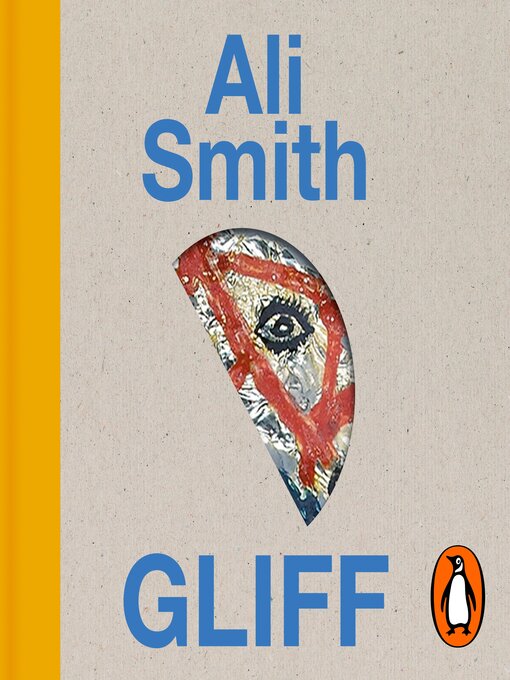
Gliff centres on two sisters and their position in society. The narrator tells memories of their gradual exclusion as undesirables in a society that does not fight for them. The memories slowly catch up to the present, where the gradual has become sudden and there is a clear division between people who are welcome in society, and those who are not. But even within all this, there is a hopeful edge in the resistance of characters, and in how they find one another and push against a system that would …
In times like ours, dystopic novels can be a little too close to the bone. So I was a little reluctant to dig into this one initially, despite it having great reviews. But after a few chapters it was clear that this is an atypical example of the genre, telling a story in a unique, and often hopeful way.
Gliff centres on two sisters and their position in society. The narrator tells memories of their gradual exclusion as undesirables in a society that does not fight for them. The memories slowly catch up to the present, where the gradual has become sudden and there is a clear division between people who are welcome in society, and those who are not. But even within all this, there is a hopeful edge in the resistance of characters, and in how they find one another and push against a system that would rather control or eradicate them.
The story is vivid, at times violent and heartbreaking, but also dreamlike and weird. And for this last feature, it is really wonderful. It also analyses language and culture in a way that I really enjoyed, interrogating how the words we use can create the worlds we live in. Somehow, a horse called Gliff takes centre stage, finding itself in uncanny and unusual situations with the sisters as they approach this brave new world.
I had not read any of Ali Smith's work before, but I am a convert now and hope to read a lot more by her in the coming years.