
A Great Book with a Few Blemishes
4 stars
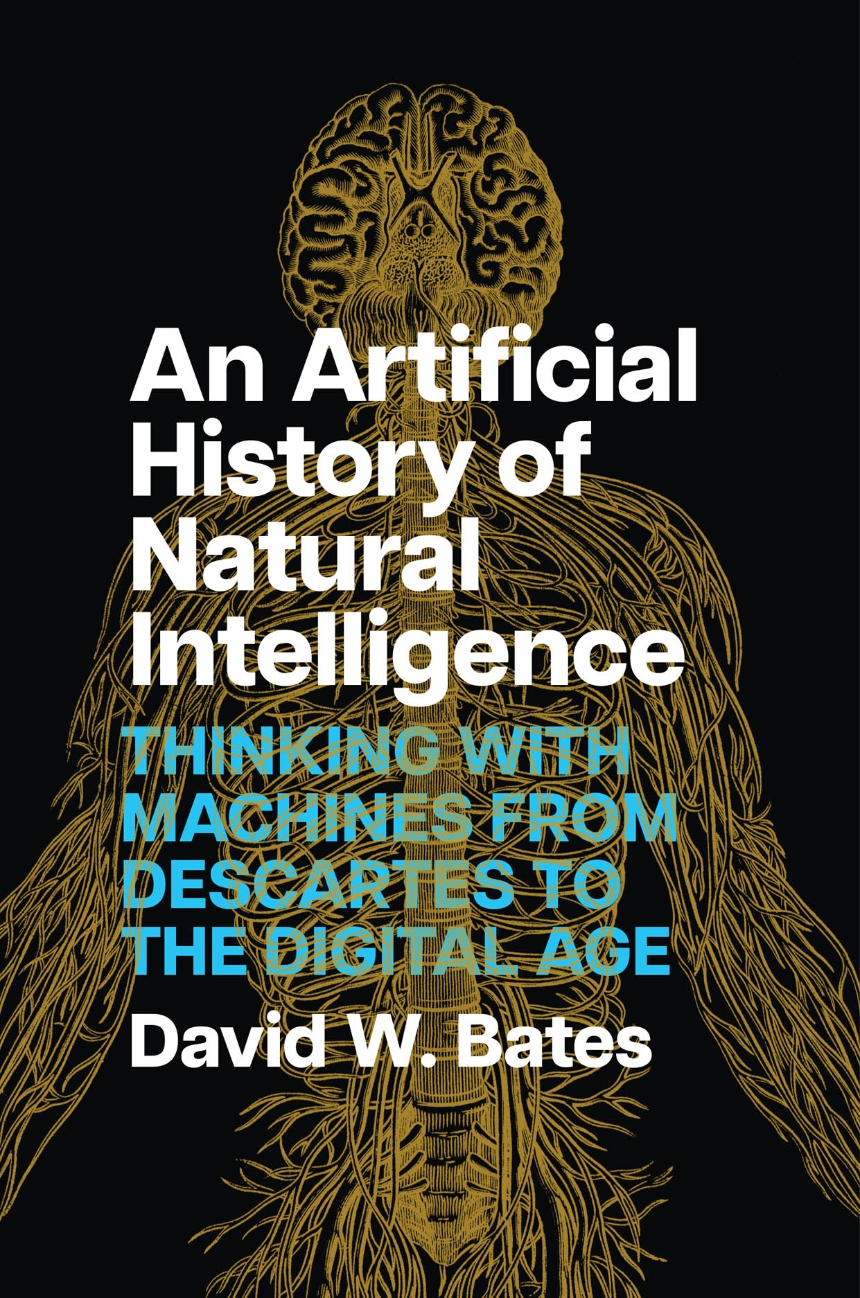
This is an in-depth tour of the arc of philosophical thought around intelligence, with a particular focus on how we determine if a thing, human, other animal, or artificial, is intelligent. Frustratingly, the term "intelligence" is never defined here, although given that this extremely vague term is mostly undefined (or poorly defined) by thinkers throughout the centuries this is partially excusable. The majority of this book is essentially a build up to the payoff of the final section, demonstrating how discussions and theories around AI at the dawn of the computing age were not a break from the past - rather, they were deeply enmeshed in a chain of intellectual debates dating back to the Enlightenment. That being said, the final chapter takes some shine off of this achievement, with terms like machine learning being incorrectly defined (even acknowledging its fairly amorphous definition) and the explanation of deep learning that's …
This is an in-depth tour of the arc of philosophical thought around intelligence, with a particular focus on how we determine if a thing, human, other animal, or artificial, is intelligent. Frustratingly, the term "intelligence" is never defined here, although given that this extremely vague term is mostly undefined (or poorly defined) by thinkers throughout the centuries this is partially excusable. The majority of this book is essentially a build up to the payoff of the final section, demonstrating how discussions and theories around AI at the dawn of the computing age were not a break from the past - rather, they were deeply enmeshed in a chain of intellectual debates dating back to the Enlightenment. That being said, the final chapter takes some shine off of this achievement, with terms like machine learning being incorrectly defined (even acknowledging its fairly amorphous definition) and the explanation of deep learning that's employed is catastrophically wrong. This ultimately is a somewhat minor quibble given its place in the narrative, but still seems fairly egregious to me. Finally, I would've liked a lot more added on the empirical backing or refutation of the theorizing identified here. Still highly recommend