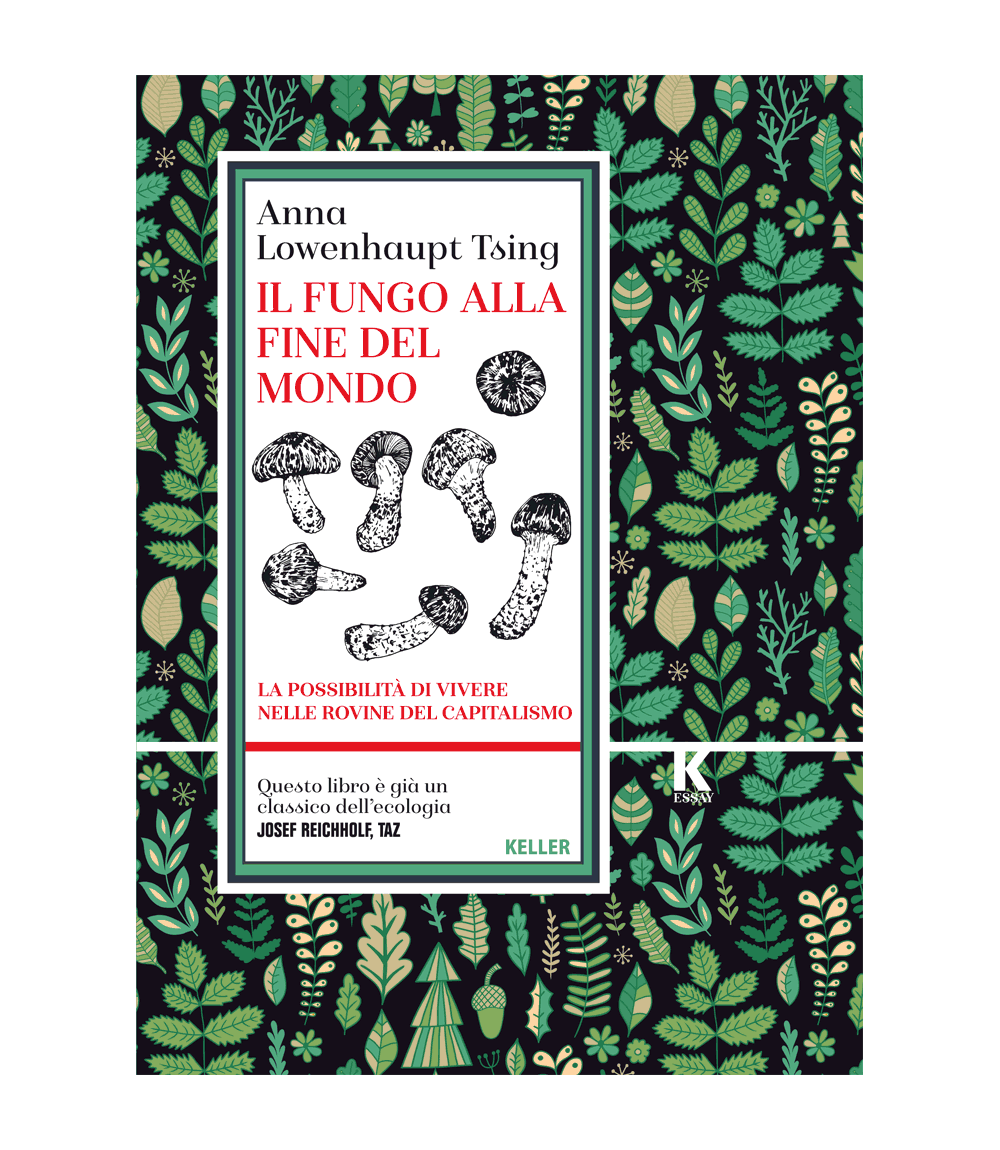
Si dice che, dopo la bomba atomica su Hiroshima nel 1945, la prima forma di vita a spuntare in quel paesaggio devastato sia stato un matsutake. Si tratta di uno dei funghi commestibili più preziosi e ricercati dell’Asia: non cresce solo in Giappone dove raggiunge prezzi astronomici, ma anche in varie aree dell’emisfero boreale. Questo fungo dall’odore intenso ed evocativo non può essere coltivato e preferisce crescere su terreni e foreste perturbati dalla presenza umana. Il racconto di Anna Lowenhaupt Tsing – ormai diventato un classico che spazia tra etnografia, antropologia ed ecologia – ruota attorno a questi ricercatissimi funghi, offre approfondimenti e spunti che vanno ben oltre l’ambito micologico, e pone una domanda essenziale: cosa riesce a vivere tra le rovine che abbiamo generato? Il fungo alla fine del mondo esplora angoli inattesi e inconsueti del commercio del matsutake e ci conduce tra buongustai giapponesi, commercianti arricchiti, combattenti hmong, …
Si dice che, dopo la bomba atomica su Hiroshima nel 1945, la prima forma di vita a spuntare in quel paesaggio devastato sia stato un matsutake. Si tratta di uno dei funghi commestibili più preziosi e ricercati dell’Asia: non cresce solo in Giappone dove raggiunge prezzi astronomici, ma anche in varie aree dell’emisfero boreale. Questo fungo dall’odore intenso ed evocativo non può essere coltivato e preferisce crescere su terreni e foreste perturbati dalla presenza umana.
Il racconto di Anna Lowenhaupt Tsing – ormai diventato un classico che spazia tra etnografia, antropologia ed ecologia – ruota attorno a questi ricercatissimi funghi, offre approfondimenti e spunti che vanno ben oltre l’ambito micologico, e pone una domanda essenziale: cosa riesce a vivere tra le rovine che abbiamo generato?
Il fungo alla fine del mondo esplora angoli inattesi e inconsueti del commercio del matsutake e ci conduce tra buongustai giapponesi, commercianti arricchiti, combattenti hmong, guide naturalistiche finlandesi, abitanti della costa pacifica degli Stati Uniti d’America e altro ancora. Compagni di viaggio che ci permettono di perderci e sorprenderci tra ecologie fungine e storie forestali e che ci fanno sperare nella possibilità di una convivenza collaborativa tra specie in un’epoca di massiccia devastazione umana.
Un viaggio tra i popoli e le culture sviluppatisi intorno ai matsutake, dei funghi che prosperano tra le rovine umane. Un immaginario estremamente affascinante che però si contrappone a un costante e inesorabile calo di incisività.
Resta tremendamente affascinante, seppur già vista in testi più incisivi, la critica alla visione individualista della biologia che ha dominato la storia recente.
I don't read a lot of non-fiction, but this book quite deliberately and explicitly structures itself in a rambling manner, interspersing history and anecdotes, with tangents galore. Rather than some formal thesis and organized argument, this book paints a series of encounters with matsutake mushrooms in varying contexts and perspectives, with a thematic framing.
If I had to sum it up, the book posits that progress (and even hope) are part of capitalism and its need to scale and organize and alienate; if we are to thrive in the decline of capitalism, then we need different tools that often fall in its margins: noticing, unpredictable encounters, new relationships, and …
I don't read a lot of non-fiction, but this book quite deliberately and explicitly structures itself in a rambling manner, interspersing history and anecdotes, with tangents galore. Rather than some formal thesis and organized argument, this book paints a series of encounters with matsutake mushrooms in varying contexts and perspectives, with a thematic framing.
If I had to sum it up, the book posits that progress (and even hope) are part of capitalism and its need to scale and organize and alienate; if we are to thrive in the decline of capitalism, then we need different tools that often fall in its margins: noticing, unpredictable encounters, new relationships, and more mutualism.
I also enjoyed this review which gets at all of this much better than I can.