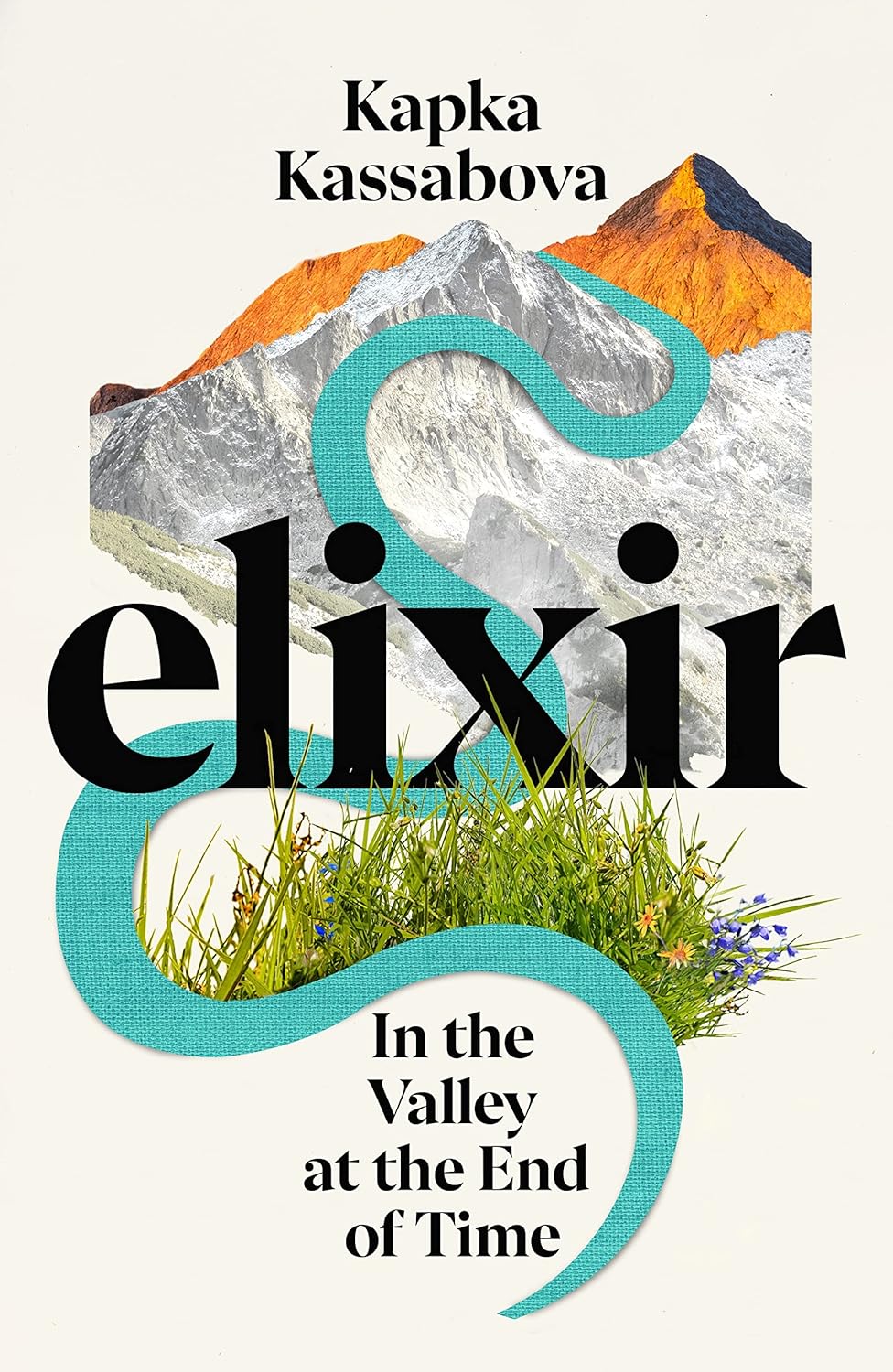
Fionnáin reviewed Elixir by Kapka Kassabova
This book is elixir
5 stars
This is the first book I have read by Kapka Kassabova, a Bulgarian-born Scottish-based poet and writer. I now want to read every word she has ever written.
Ostensibly, Elixir is about a journey that the author has made to the Mesta valley region in Bulgaria. It is a place rich in natural beauty, but with intense trauma too – it has been steamrolled by capitalist expansionism creating intense tourism and reducing the value of agricultural labour since the 1990s, leading to destitution and emigration. Before that, tobacco was grown for the Soviet Union under forced servitude, and the land and people were poisoned by toxins like DDT. Historically, Pomak Muslims had suffered atrocities and massacres, and it lies in a place between Ancient Greece and Macedonia so was the site of many tensions that borders create.
Elixir is of a type of book that I feel is …
This is the first book I have read by Kapka Kassabova, a Bulgarian-born Scottish-based poet and writer. I now want to read every word she has ever written.
Ostensibly, Elixir is about a journey that the author has made to the Mesta valley region in Bulgaria. It is a place rich in natural beauty, but with intense trauma too – it has been steamrolled by capitalist expansionism creating intense tourism and reducing the value of agricultural labour since the 1990s, leading to destitution and emigration. Before that, tobacco was grown for the Soviet Union under forced servitude, and the land and people were poisoned by toxins like DDT. Historically, Pomak Muslims had suffered atrocities and massacres, and it lies in a place between Ancient Greece and Macedonia so was the site of many tensions that borders create.
Elixir is of a type of book that I feel is unclassifiable – a poetic reflection on people and place that could fall into many categories but each time you grasp its meaning, it slips away like elixir pouring through your fingers. Over the course of a few years, she visits the place repeatedly and meets different herbalists, healers, artists, masseuses, foragers, seers and other beautiful souls who inhabit the Mesta Valley. She has a unique talent in finding incredible protagonists for her story, or you could argue she is a rich enough artist to find a story in everyone she meets. She documents them uncompromisingly and honestly. They become her friends, and she opens their world to us. They understand this place, and she uses their understanding to write her book. She also forms her own understanding, and delivers it quietly and spectacularly.
She is seeking healing, or seeking the idea of it. The place has suffered, and so has its people. And so has she. She has a thyroid problem, common for Bulgarians who grew up in these areas after the Chernobyl disaster, and perhaps seeks to address this. But she also sees climate and environmental breakdown, and how these relate to her body, and to all bodies, and to healing. She tells this story poetically, never wasting a word. It is a hopeful book, despite the deep pain.
It is also without doubt one of the best books I have ever read. I never wanted it to finish. Kassabova has a unique gift – poetic prose mingles seamlessly with deep thinking and a philosophical drive to question without seeking clarity. I loved every word on every page.