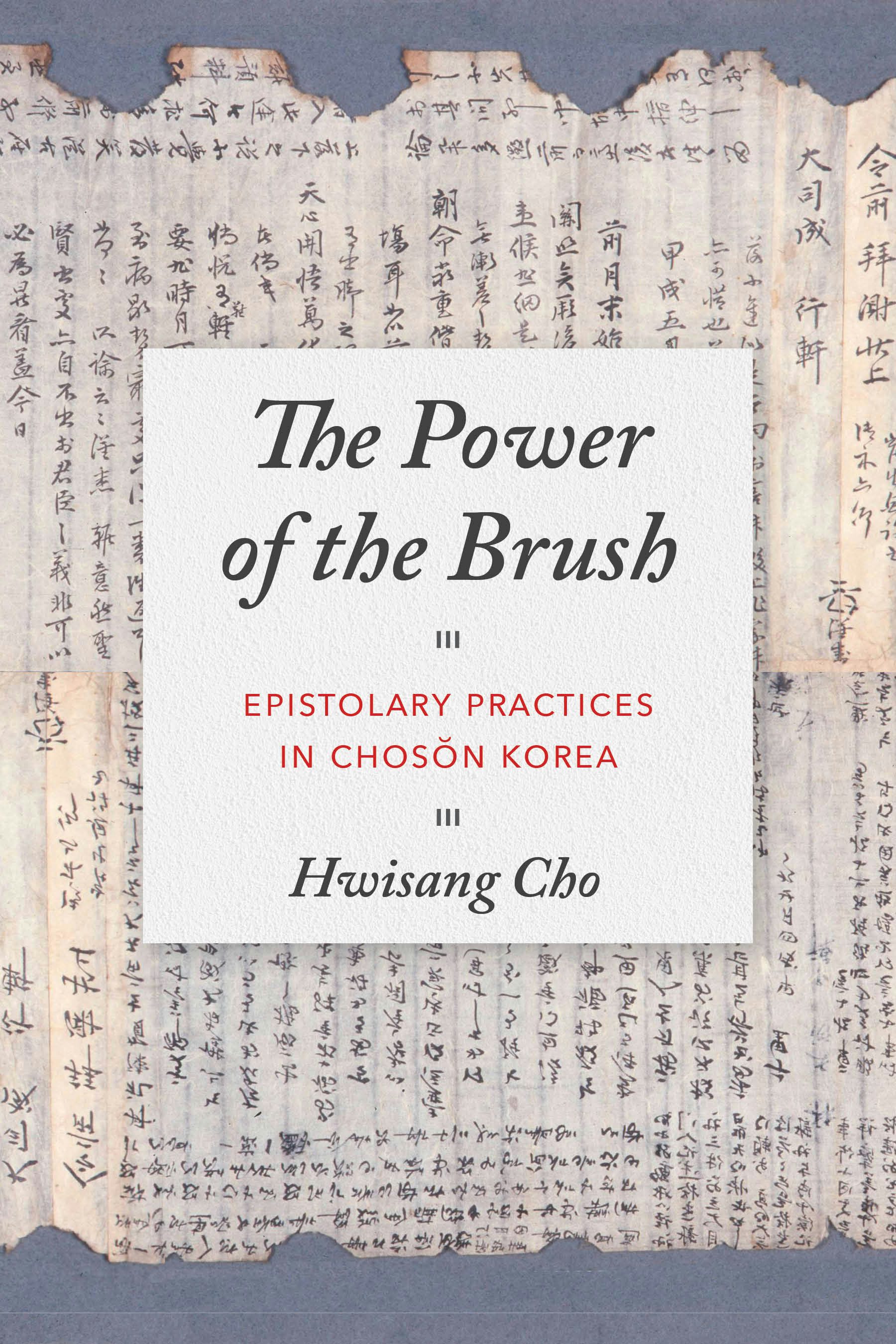

Ben Waber reviewed The Power of the Brush by Hwisang Cho
A Fascinating Examination of How Hangul Changed Letter Writing
4 stars
Alphabets are a powerful technology, and as one of the best (relatively) recent examples the invention of Hangul makes for an excellent case study to examine how its introduction profoundly changes society. In this book, Cho uses fascinating data from letters to reveal how and why people chose to continue to use Chinese characters (still used officially until the 1800s), the "spiral letter" phenomenon, and more. I wish there was a bit more time spent with the invention of Hangul itself - the first chapter contains a bit but you'll have to pick up another book for more on that. Highly recommend
Alphabets are a powerful technology, and as one of the best (relatively) recent examples the invention of Hangul makes for an excellent case study to examine how its introduction profoundly changes society. In this book, Cho uses fascinating data from letters to reveal how and why people chose to continue to use Chinese characters (still used officially until the 1800s), the "spiral letter" phenomenon, and more. I wish there was a bit more time spent with the invention of Hangul itself - the first chapter contains a bit but you'll have to pick up another book for more on that. Highly recommend