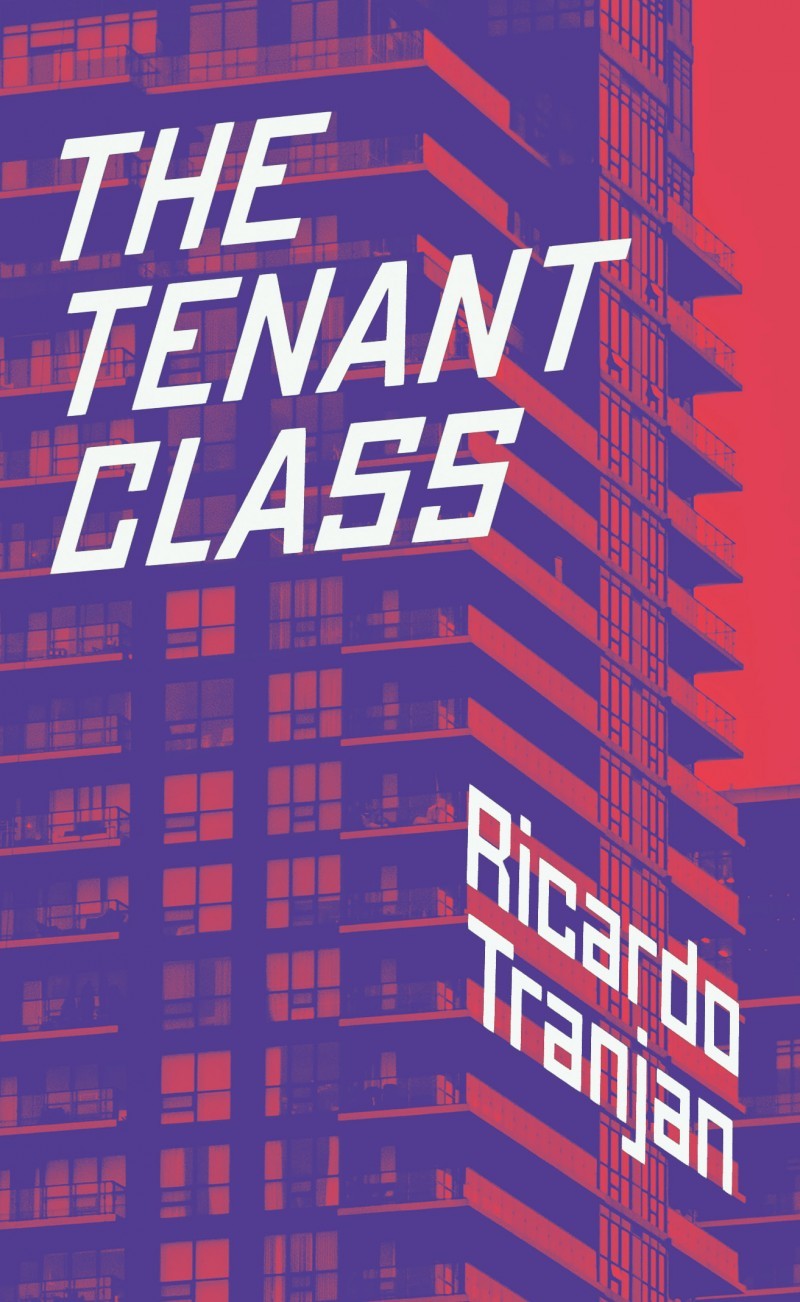

kab reviewed Tenant Class by Ricardo Tranjan
Tenant Class
4 stars
Edited excerpts:
There is no housing or affordability crisis. What renders housing unaffordable are landlords who charge too much and governments that allow it to happen. It is a poorly regulated market that extracts income from working-class people and channels it to the capital-owning class. As far as the landlord class is concerned, the housing market is working just fine. A housing system that serves all but one group is not in a state of crisis; it is one based on structural inequality and economic exploitation.
Our laws, institutions, and moral standards permit and legitimise wealth accumulation through rent collection. The purpose of the rental market is not to ensure the highest possible number of people are securely housed, but to allow landlords to extract profit from a basic human necessity: shelter. Landlords are not only allowed to enrich at the cost of people who need a roof, …
Edited excerpts:
There is no housing or affordability crisis. What renders housing unaffordable are landlords who charge too much and governments that allow it to happen. It is a poorly regulated market that extracts income from working-class people and channels it to the capital-owning class. As far as the landlord class is concerned, the housing market is working just fine. A housing system that serves all but one group is not in a state of crisis; it is one based on structural inequality and economic exploitation.
Our laws, institutions, and moral standards permit and legitimise wealth accumulation through rent collection. The purpose of the rental market is not to ensure the highest possible number of people are securely housed, but to allow landlords to extract profit from a basic human necessity: shelter. Landlords are not only allowed to enrich at the cost of people who need a roof, but are often praised for it.
30 percent of a household's income is the often recommended figure to earmark for the cost of housing. The problem with the widespread use of this number is that it focuses on how much tenants pay, neglecting the other side of the equation, namely, how much landlords profit. The omission of landlords and their profit margins maintains a false veneer of neutrality, depoliticising the affordability debate to avoid the fact that landlords raise rents faster than inflation and wages—and bosses suppress wages—because they can. Because governments allow them to. Because the property-owning class forged a long-lasting consensus against public housing.
Using the narrative of a 'housing crisis' exempts landlords and governments from responsibility, alongside offering only technical solutions, when the problem is clearly political. Among technical solutions, funding new builds and providing government subsidies further funnel money to developers and landlords. The landlord class fights fiercely for its right to appropriate tenant income and turn it into personal wealth, and in doing so, it counts on the support of most of the political class.
The media frequently asks, 'But what about the landlords?' The housing security of private landlords should not be equated to that of financially insecure tenant families. One is accumulating wealth and has two or more homes to choose from; the other is at the risk of becoming homeless.
The challenge for the tenant class is not to find a solution for the so-called housing crisis but to enact the sustainable, long-term solutions we know work: moving as much housing as possible outside of private markets to not-for-profit social housing, enforcing strict rent controls, and organising tenants to ensure sanitary conditions and access to shelter.