
Comprehensive and Challenging
5 stars
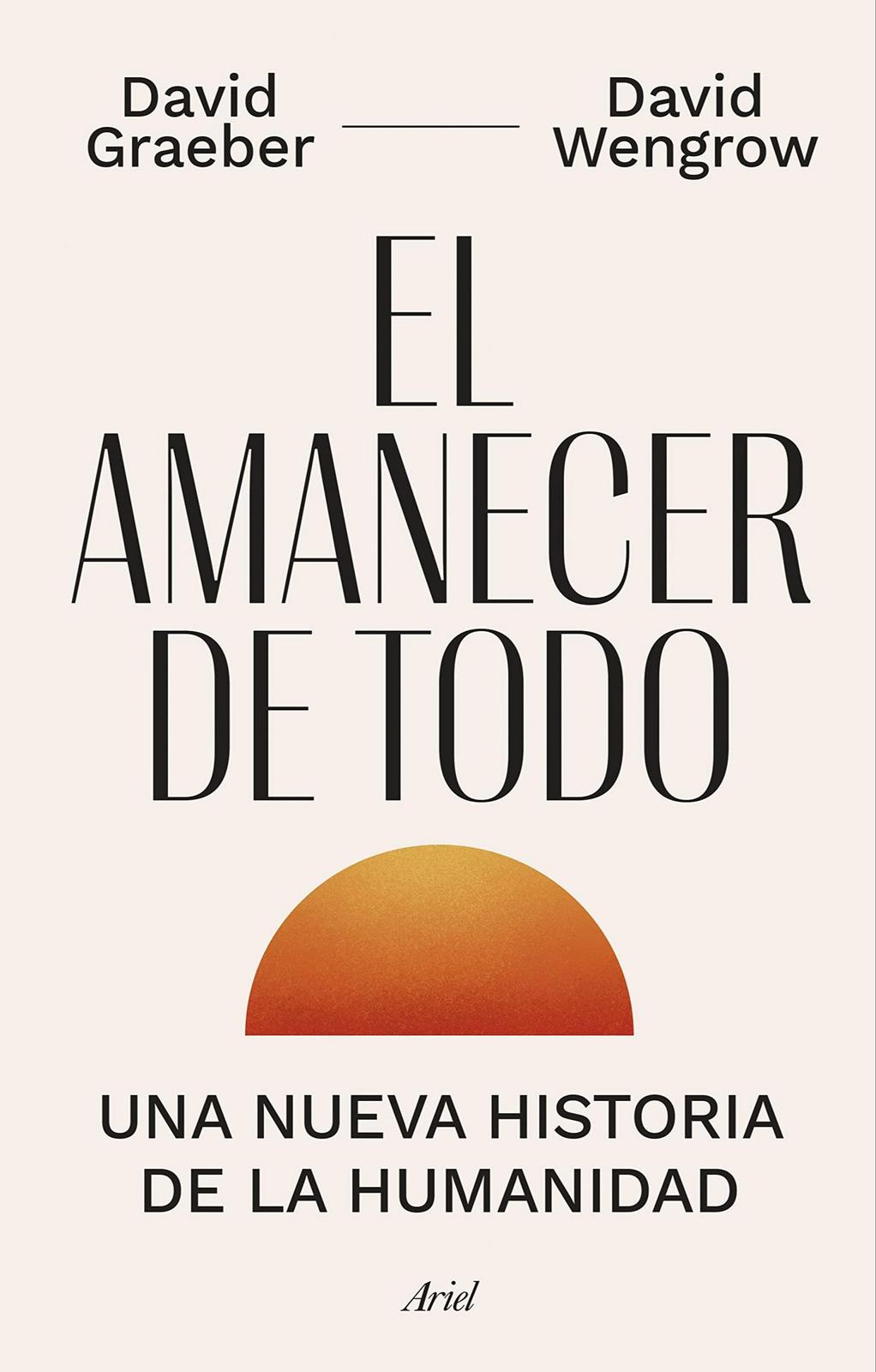
The archeological rigor and discovery explained in this book do indeed shed new light on our arrogant and foreordained conceptions of prehistory and the development and status of what has become known as "civilization." I have always found the notion of near-instantaneous "revolutions," whether agriculture, industrial, or computer, to be inherently questionable (and most often preceded by a blizzard of trial and error and half-steps and experimentation over centuries). I find it much easier to believe in an ebb, neap, and rip tide of different intellectual and cultural phenomena and traditions (moving into and back from the cultural shore that it changes) to be a more likely scenario. The new archeology would appear to support such a story.
If I have a misgiving about this book, it is the authors' sharp tongue for what amounts to enlightenment political philosophers who, while they may have had their views of the …
The archeological rigor and discovery explained in this book do indeed shed new light on our arrogant and foreordained conceptions of prehistory and the development and status of what has become known as "civilization." I have always found the notion of near-instantaneous "revolutions," whether agriculture, industrial, or computer, to be inherently questionable (and most often preceded by a blizzard of trial and error and half-steps and experimentation over centuries). I find it much easier to believe in an ebb, neap, and rip tide of different intellectual and cultural phenomena and traditions (moving into and back from the cultural shore that it changes) to be a more likely scenario. The new archeology would appear to support such a story.
If I have a misgiving about this book, it is the authors' sharp tongue for what amounts to enlightenment political philosophers who, while they may have had their views of the nature of man, were neither archeologists nor social scientists, and lacked the wealth of modern discoveries and tools available to these authors. So too, the work of prehistory scholars (such as Gordon Childe, Robert Redfield, Henri Frankfort, and many others) is dismissed readily, some sub silentio, for want of the more modern discoveries, when many of these older scholars took pains to point out the anomalies in what record they did have, which they could not resolve. Finally, this is a book about prehistory, not history. It spends scant time discussing the impact of writing on cultural development, and concedes in its silence on the point that it is mostly making informed judgements from a physical record, rather than reading how prior cultures and periods conceived of themselves. Notwithstanding these minor matters, this is a book not to be missed (as many others have concluded).

