Fionnáin reviewed The Wax Child by Martin Aitken
Witch trials as told by an animate wax doll
4 stars
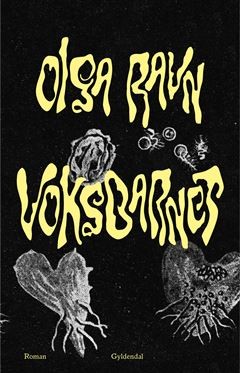
This is my first time reading anything by Olga Ravn, who is a highly rated Danish author. I went in blind, knowing nothing about the book or the author. The story is based in the early 1600s and is told in short, sharp chapters from the perspective of a wax child doll that is buried in the ground (a practice used in witchcraft of the period) and who can sometimes transfer their senses into other characters in the novel. The content is the witch trials of four women in Aalborg, one of whom was a noblewoman on the run from Copenhagen. The unusual prose grabbed me immediately, and I loved it throughout.
The trials and the characters existed, and Ravn's research ran very deep for this project. She unearthed testimony and legal documents from the time, and used these as a skeleton to build a work of fiction. However, …
This is my first time reading anything by Olga Ravn, who is a highly rated Danish author. I went in blind, knowing nothing about the book or the author. The story is based in the early 1600s and is told in short, sharp chapters from the perspective of a wax child doll that is buried in the ground (a practice used in witchcraft of the period) and who can sometimes transfer their senses into other characters in the novel. The content is the witch trials of four women in Aalborg, one of whom was a noblewoman on the run from Copenhagen. The unusual prose grabbed me immediately, and I loved it throughout.
The trials and the characters existed, and Ravn's research ran very deep for this project. She unearthed testimony and legal documents from the time, and used these as a skeleton to build a work of fiction. However, the timeline was reinvented, as the women didn't live at the same place and time; they have been fictionalised for the novel. By doing this, Ravn is able to use a strong bank of research to give credence to these characters.
Without giving any spoilers, it is obvious from page one what is going to happen to these women. What is not obvious is how Ravn's positioning of the wax child as narrator, and her unusual use of prose to tell the story, will create a world that presents the trials from a new perspective. Rather than repeating many feminist retellings of the witch trials (which, while important, are very common now), she creates instead doubt over what witchcraft actually is, and brings us into a world that is deeply human. The men and one woman that put these women on trial seem to truly believe their rhetoric and hypocrisy, but become themselves like wax figures by the end, frozen in the throes of someone else's power. This makes the novel both disturbing and fresh, both harrowing and hopeful, and it has certainly made me want to read more of Olga Ravn's work.