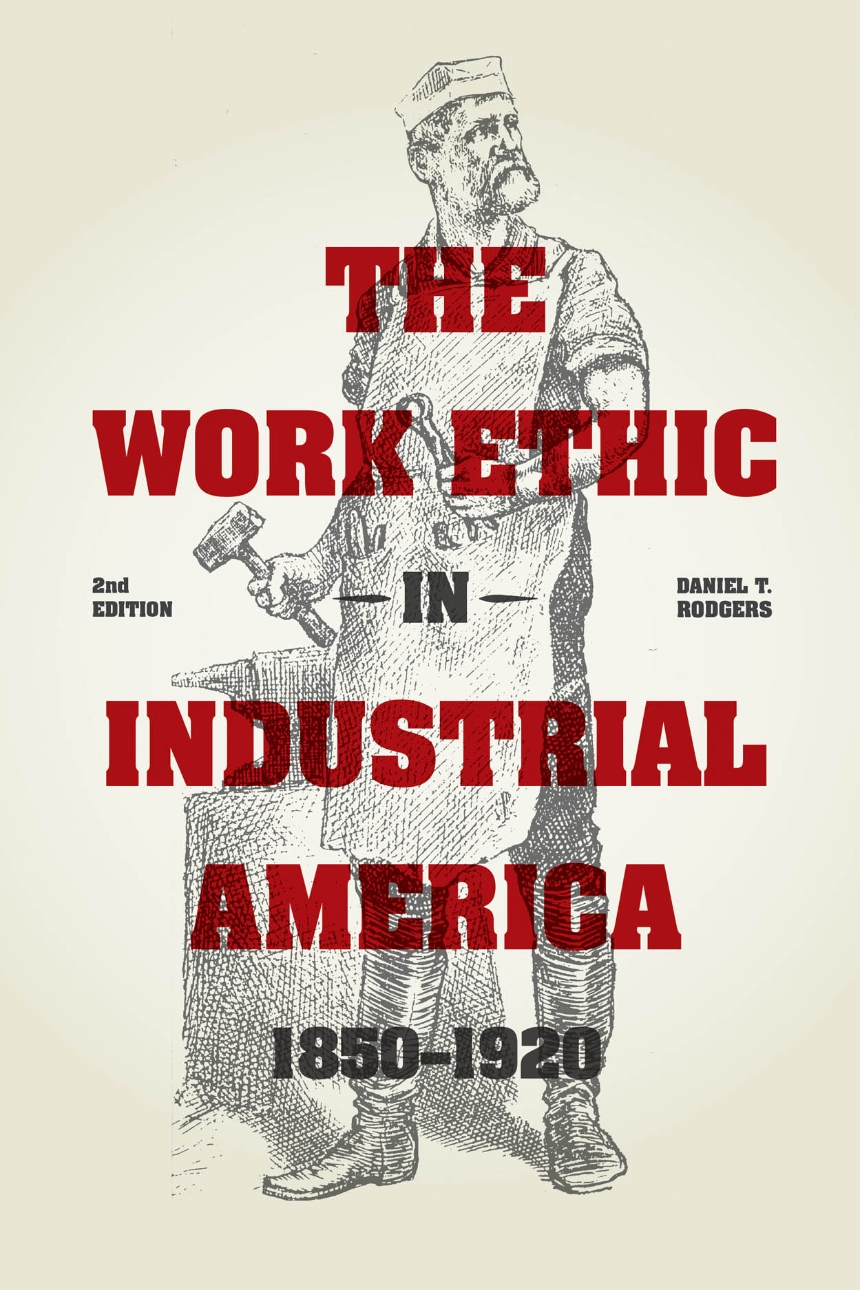

The Work Ethic in Industrial America

1850 - 1920

Published July 2014 by University of Chicago Press.

ISBN:
978-0-226-13623-3
Copied ISBN!

The phrase “a strong work ethic” conjures images of hard-driving employees working diligently for long hours. But where did this ideal come from, and how has it been buffeted by changes in work itself? While seemingly rooted in America’s Puritan heritage, perceptions of work ethic have actually undergone multiple transformations over the centuries. And few eras saw a more radical shift in labor ideology than the American industrial age.

Daniel T. Rodgers masterfully explores the ways in which the eclipse of small-scale workshops by mechanized production and mass consumption triggered far-reaching shifts in perceptions of labor, leisure, and personal success. He also shows how the new work culture permeated society, including literature, politics, the emerging feminist movement, and the labor movement.

A staple of courses in the history of American labor and industrial society, Rodgers’s sharp analysis is sure to find a new audience, as twenty-first-century workers face …

3 editions

An Amazing Multi-Disciplinary Work

Rodgers expertly combines an eclectic mix of data sources and analytical techniques to paint a rich picture of the nature of the American work ethic during a formative period. Economic data helps contextualize changes in the nature of work during this period, while sociological and political analyses dive into the various social movements and regulatory actions that shaped work during this period and ideology around it. Finally, he even brings in literary analysis, examining a wide selection of popular literature and printed publications to chart changes in subject matter and conceptualizations of the work ethic. For those looking to understand the roots of how America thinks about work, this book is essential. Highly recommend

avatar for bwaber@bookwyrm.social

rated it