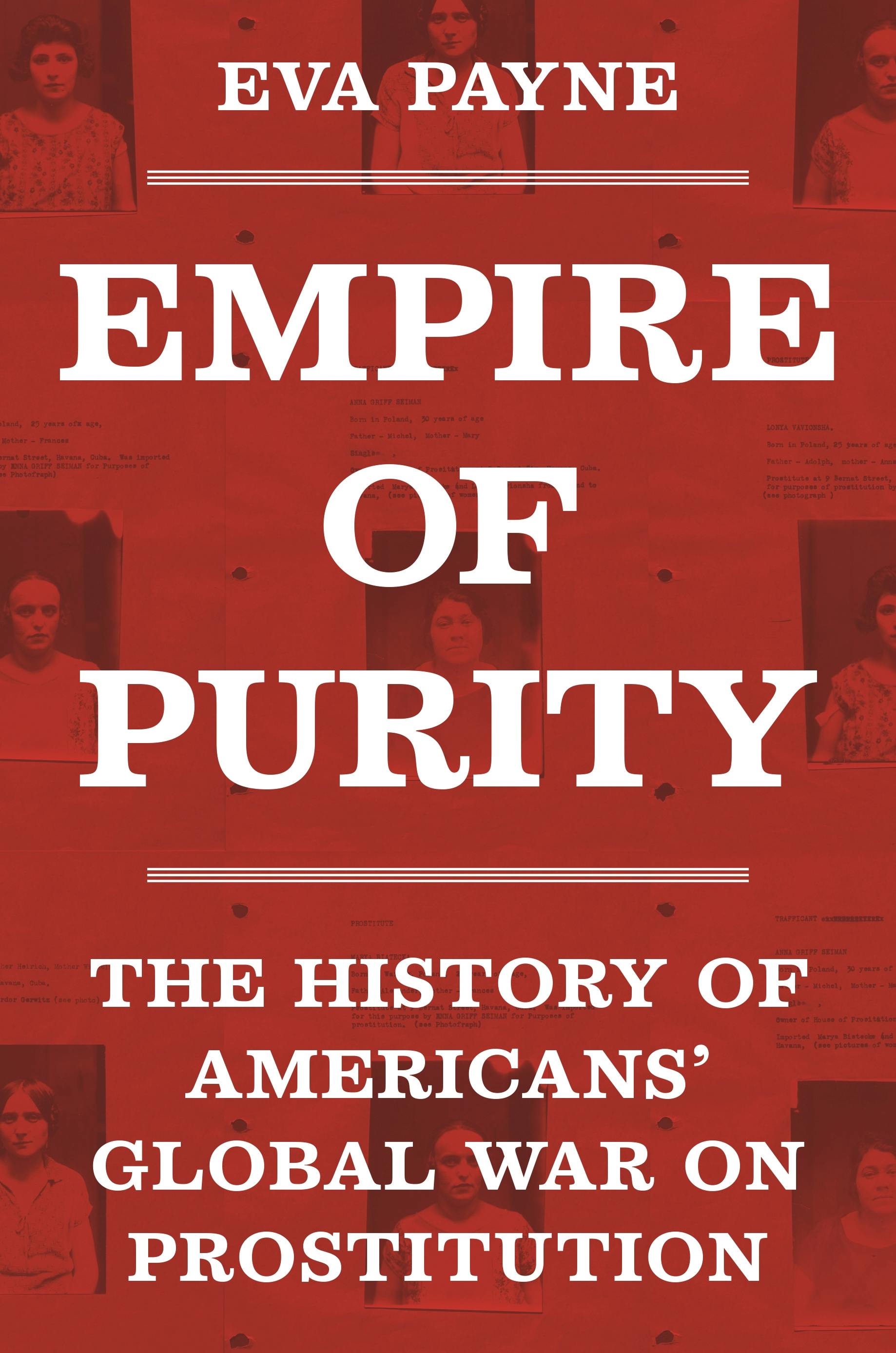
Between the 1870s and 1930s, American social reformers, working closely with the US government, transformed sexual vice into an international political and humanitarian concern. As these activists worked to eradicate prostitution and trafficking, they promoted sexual self-control for both men and women as a cornerstone of civilization and a basis of American exceptionalism. Empire of Purity traces the history of these efforts, showing how the policing and penalization of sexuality was used to justify American interventions around the world.
Eva Payne describes how American reformers successfully pushed for international anti-trafficking agreements that mirrored US laws, calling for states to criminalize prostitution and restrict migration, and harming the very women they claimed to protect. She argues that Americans’ ambitions to reshape global sexual morality and law advanced an ideology of racial hierarchy that viewed women of color, immigrants, and sexual minorities as dangerous vectors of disease. Payne tells the stories …
Between the 1870s and 1930s, American social reformers, working closely with the US government, transformed sexual vice into an international political and humanitarian concern. As these activists worked to eradicate prostitution and trafficking, they promoted sexual self-control for both men and women as a cornerstone of civilization and a basis of American exceptionalism. Empire of Purity traces the history of these efforts, showing how the policing and penalization of sexuality was used to justify American interventions around the world.
Eva Payne describes how American reformers successfully pushed for international anti-trafficking agreements that mirrored US laws, calling for states to criminalize prostitution and restrict migration, and harming the very women they claimed to protect. She argues that Americans’ ambitions to reshape global sexual morality and law advanced an ideology of racial hierarchy that viewed women of color, immigrants, and sexual minorities as dangerous vectors of disease. Payne tells the stories of the sex workers themselves, revealing how these women’s experiences defy the dichotomies that have shaped American cultural and legal conceptions of prostitution and trafficking, such as choice and coercion, free and unfree labor, and white sexual innocence and the assumed depravity of nonwhites.
Drawing on archives in Europe, the United States, and Latin America, Empire of Purity ties the war on sexual vice to American imperial ambitions and a politicization of sexuality that continues to govern both domestic and international policy today.
This is an eye-opening look at a critical period of global history - the half-century when the US successfully turned the world away from regulation and legalization of prostitution. Payne focuses on the major players in this effort and the international arenas that they most fiercely contested. This is a rich history, but I would have liked more background on the development and scale of the prostitution industry, as well as more from the workers themselves. This history is important both to understand the modern legal landscape around prostitution and as a demonstration of how political efforts can criminalize an established industry. Highly recommend